How to Style a Raised Bed Garden with Decorative Accessories for Year-Round Appeal
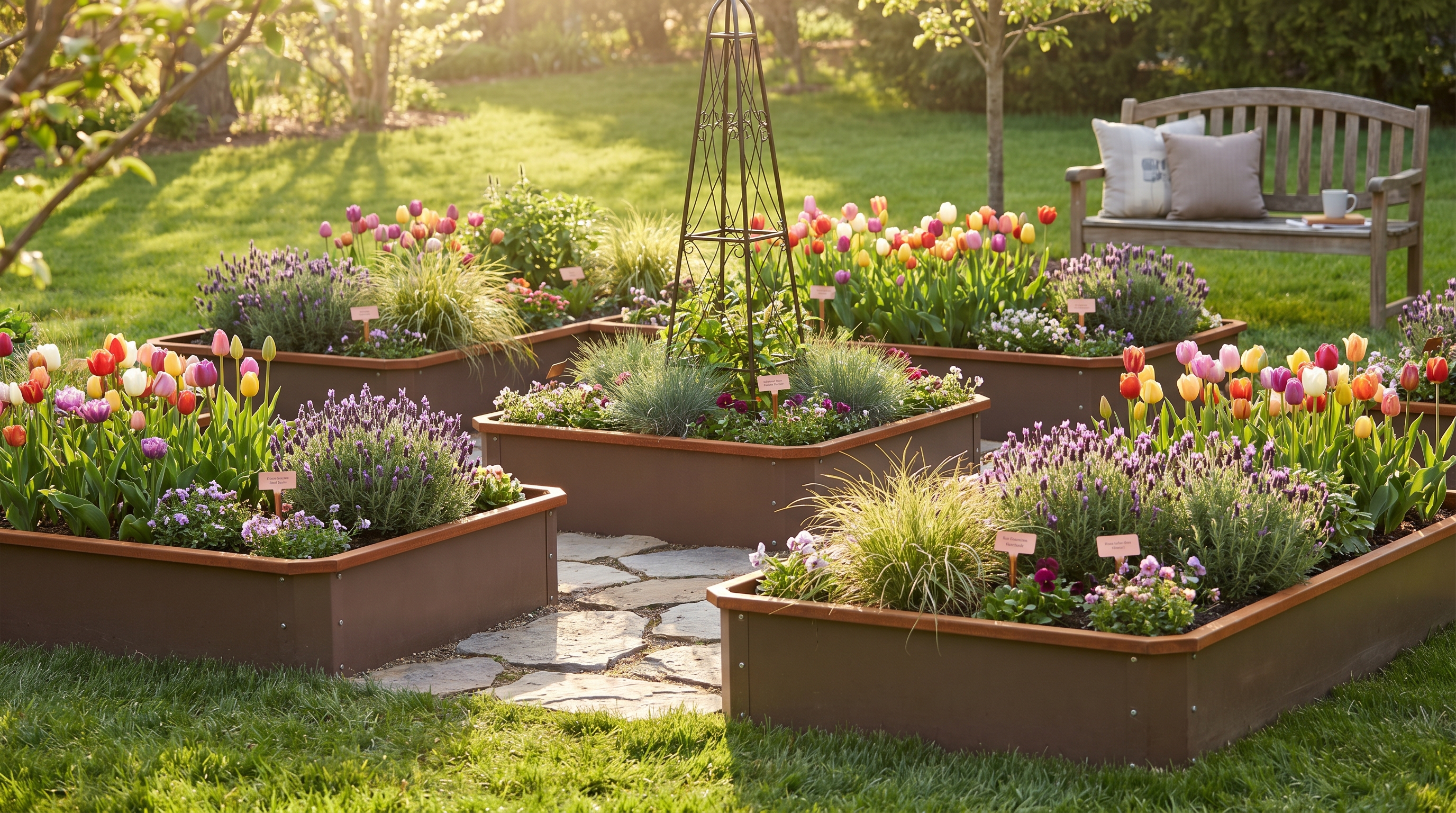
ALT: Styled raised bed garden with decorative accessories, seasonal flowers, and pathway systems for year-round visual appeal
Transform Your Raised Bed Garden into a Living Landscape: Styling with Decorative Accessories for Every Season
Key Conclusion: A thoughtfully styled raised bed garden layout can transcend pure productivity and become a genuine outdoor living feature. By layering decorative accessories—from pathway systems and border edging to seasonal planters and lighting—your raised bed planting layout achieves visual cohesion across all four seasons. The right raised bed layout balances structure, color, texture, and functional beauty, turning even the smallest backyard into a destination you’ll want to spend time in year-round.
Gardening has evolved well beyond rows of vegetables and utilitarian planting boxes. Today’s home growers are as invested in how their gardens look as in what they produce. Whether you’re working with a compact urban patio or a sprawling suburban backyard, the way you style your raised bed garden dramatically affects curb appeal, personal enjoyment, and even property value.
The good news? You don’t need a professional landscaper or an unlimited budget. With a clear design framework, the right structural foundation, and a rotating set of seasonal accessories, anyone can create a raised garden that looks intentional and inviting in January just as much as in July. This guide walks you through everything—from choosing your layout and materials to layering in the finishing touches that make your garden feel truly alive.
Who This Guide Is For: Matching Your Styling Approach to Your Garden Situation
✅ Applicable Scenarios:
- Homeowners with established raised beds looking to elevate aesthetics beyond basic planting
- New gardeners building their first raised bed layout and wanting to plan for beauty from day one
- Urban micro-gardeners working with limited space who want maximum visual impact per square foot
- Empty nesters and retirees creating a peaceful, low-maintenance garden sanctuary they can enjoy daily
- Eco-conscious growers who want a garden that looks polished without relying on constant replanting or heavy chemical inputs
❌ Not Applicable/Cautions:
- Renters without permission to install permanent pathway systems or in-ground accessories—opt for container-based and removable décor instead
- Gardeners in extreme climates (e.g., zones with heavy snowfall or year-round drought) who may need to prioritize climate-specific accessories before purely decorative ones
- Anyone expecting overnight transformation—seasonal styling is a cumulative process that builds richness over multiple planting cycles
Why Decorative Styling Is Now a Core Part of Raised Bed Garden Design
For decades, raised bed gardening was primarily discussed in terms of drainage, soil depth, and crop yield. The beds themselves were tools—functional, efficient, and largely invisible once the plants took over. But something has shifted meaningfully in the past several years.
Garden design platforms, lifestyle media, and a new generation of enthusiastic home growers have pushed the aesthetic dimension of kitchen gardens and ornamental food plots squarely into the mainstream. According to the National Gardening Association, participation in food gardening in the United States has grown substantially, with millions of households maintaining some form of home garden. And as more people invest more time in their outdoor spaces, the expectation naturally rises: gardens should be beautiful spaces, not just productive ones.
This shift reflects broader trends in how people relate to their homes. Post-pandemic, outdoor living spaces became extensions of interior design sensibility. Patios, decks, and garden areas received the same attention to color palettes, material consistency, and furniture arrangement that living rooms once commanded. Raised beds—particularly those made from durable, visually appealing materials like galvanized steel—became design anchors rather than afterthoughts.
The structural quality of your beds matters enormously here. A raised bed garden that’s built to last—like the range of galvanized steel and rust-resistant options from Anleolife, engineered for up to 20 years of service life—provides a stable, handsome framework onto which you can layer seasonal décor year after year without the bed itself degrading or looking worn. A bed that rusts, warps, or splinters within a few seasons undermines every styling effort you make on top of it.
The design challenge, then, is this: how do you build a raised bed layout that serves as a flexible canvas, capable of looking equally compelling whether it’s planted with winter kale, spring tulips, summer tomatoes, or autumn ornamental grasses? The answer lies in thoughtful structure, smart accessory selection, and an understanding of seasonal design rhythm.
The Complete Framework for Styling Your Raised Bed Garden with Decorative Accessories
Three Steps to Get Started Quickly
Step 1: Audit Your Current Layout and Identify Design Zones
Before purchasing a single accessory, spend 20–30 minutes walking your garden space at different times of day. Take photos. Identify where pathways naturally form, where the eye travels first, and which areas feel visually cluttered or empty. Divide your space into three zones: the primary view (what you see from inside the home or main entrance), the working zone (where you actually garden), and the transitional edges (borders, corners, and paths). This audit takes less than an hour but prevents costly styling mistakes down the line.
Step 2: Choose a Structural Theme and Color Palette
Cohesion comes from consistency. Pick one material theme—natural wood, galvanized metal, terracotta, or stone—and carry it through your accessory choices. Then choose a color palette: soft neutrals with pops of seasonal color, or a bolder scheme anchored by your bed’s finish. For galvanized steel beds, cool silver tones pair beautifully with slate gray stepping stones, aged copper plant markers, and deep green or burgundy foliage. This step can be done with a simple mood board using clippings or a free design app before you spend any money.
Step 3: Layer Accessories in Order—Structure First, Then Seasonal Accents
Install permanent or semi-permanent structural elements first: pathway systems, edging, trellises, raised bed surrounds, and lighting infrastructure. These form the backbone of your design. Once these are in place, layer in seasonal accents—planters, décor stakes, seasonal wreaths for a potting shed, or temporary color pops like annual flowers at bed corners. Refreshing seasonal layers takes an afternoon and keeps your garden feeling current without rebuilding from scratch each year.
Comparing Decorative Accessory Approaches: Structure, Season, and Style
Different gardeners approach styling in different ways, and each approach has genuine merits depending on your goals, available time, and budget. Here’s how three common strategies compare:
| Comparison Dimension | Structure-First Approach | Seasonal Rotation Approach | Integrated Ecosystem Approach |
|---|---|---|---|
| Primary Goal | Long-term visual cohesion | Seasonal freshness and variety | Complete garden-as-living-space |
| Upfront Investment | Higher (pathways, permanent edging, lighting) | Lower (mostly seasonal plants and décor) | Highest (combines structure + seasonal + functional zones) |
| Maintenance Level | Low once installed | Moderate (regular seasonal swaps) | Moderate to high initially, lower once established |
| Best For | Retirees, empty nesters, low-maintenance preference | Enthusiastic gardeners who enjoy seasonal change | Families, serious growers, lifestyle gardeners |
| Visual Consistency | Very high year-round | Variable (looks best in peak season) | High, with dynamic seasonal updates |
| Flexibility | Lower (permanent elements are fixed) | High (easy to change direction) | Medium-high (structure is fixed, accents flexible) |
| Beds That Work Best | Durable metal beds with clean lines | Any bed type | Long-lasting beds rated for 20+ years |
The integrated ecosystem approach, while requiring the most upfront planning, consistently produces the most satisfying results over time. Importantly, it aligns naturally with a garden that uses raised bed layout as the anchor—giving you a defined, high-quality structural base from which to build every other design decision.
Deep Dive: Styling Each Season with Decorative Accessories
Spring: Fresh Starts and Color-Forward Design
Spring is the season when most gardeners feel the greatest creative energy, and your raised bed garden layout should reflect that energy with intention rather than impulse.
Start with edging and border definition. As snow melts and bare soil reappears, clearly defined borders make even an empty garden look purposeful. Low stone edging, metal garden borders, or simple timber rails along pathways signal that this space is curated. Pair these with early-flowering bulbs planted at bed corners—daffodils, alliums, or hyacinths—that were installed the previous fall.
Use vertical accessories to add height early. Spring is the time to install or refresh trellises, obelisks, and climbing supports before vigorous growth makes it difficult to position them. A decorative copper or painted iron obelisk in the center of a 4×4 bed doesn’t just support peas or sweet peas—it creates a focal point visible from the house, signaling that something beautiful is happening even before the plants fill in.
Color temperature matters. Spring palettes tend toward cool and fresh—pale yellows, soft blues, lilac, and white. Choose seasonal planters and container accents in glazed ceramic or terracotta that echo these tones. Place them at pathway entrances or flanking a garden gate to draw the eye through the space.
Summer: Abundance, Texture, and Living Color
By summer, your raised beds are (hopefully) bursting, and the challenge shifts from making the space look active to making it look organized rather than overwhelming.
Pathway systems earn their keep in summer. With regular watering, harvesting, and maintenance traffic, clearly laid stepping stones or gravel pathways prevent soil compaction and mud while adding a crisp, designed quality to the garden floor. Materials like natural flagstone, Belgian block, or large-format concrete pavers all work beautifully alongside galvanized steel beds. The visual contrast between the clean metal edges and the organic texture of stone creates a sophisticated, almost editorial look.
Introduce living décor. Summer is ideal for incorporating companion planting as a styling strategy. Nasturtiums cascading over bed edges, ornamental basil planted in blocks for color, or tall bronze fennel used as a structural accent plant—all of these blur the line between decoration and cultivation in the most satisfying way.
Add functional beauty with plant markers and labels. Handsome metal or ceramic plant markers aren’t just practical—they add texture and a handcrafted quality to the raised bed planting layout. Consistent markers in a single material (brushed copper, slate, or white porcelain) create visual rhythm across multiple beds.
Fall: Warmth, Drama, and Transitional Styling
Fall is arguably the most visually rewarding season for raised bed styling, because the warm tones of the season complement almost every garden material beautifully.
Lean into ornamental grasses and late-season color. As food crops finish, replace them with ornamental kale, Swiss chard (which is as beautiful as it is edible), chrysanthemums, and grasses. These provide weeks of visual interest and often persist into early winter.
Introduce harvest-themed accessories. Small decorative pumpkins and gourds at bed corners, dried corn tied to a trellis, or a simple wreath hung on a nearby shed or fence gate—these seasonal details create a festive, welcoming atmosphere without major investment or permanent commitment.
Think about structure as the plants recede. As foliage dies back in late fall, the bones of your garden become visible: the beds themselves, the pathways, the edging, and any permanent structures. This is exactly why the quality of your raised bed material matters so much. A galvanized steel bed from Anleolife with its clean lines and durable finish remains a design asset even when empty—it doesn’t need plants to look good.
Winter: Structure, Light, and Minimalist Beauty
Many gardeners effectively abandon their outdoor spaces in winter, but a well-styled raised bed garden can be just as compelling under frost as in full bloom.
Garden lighting transforms the winter garden. Solar-powered path lights, string lights strung between raised bed corners or along a fence line, or a simple lantern placed at a garden entrance—these create warmth and intimacy on dark evenings. In winter, when the garden is often seen primarily from indoors, lit pathways and glowing accents make the view from the kitchen window genuinely beautiful.
Use structural accessories to create winter interest. Decorative metal stakes, sculptural elements, or a well-placed birdbath create focal points when there’s no foliage to do that work. A birdbath near your raised bed not only looks lovely dusted with frost—it also supports local bird populations that provide pest control throughout the growing season.
Protect and showcase simultaneously. Cold-weather row covers and cloches, when chosen thoughtfully, can actually add visual interest—glass bell jars protecting overwintering herbs have a charming, heirloom quality that elevates the garden’s aesthetic even in January.
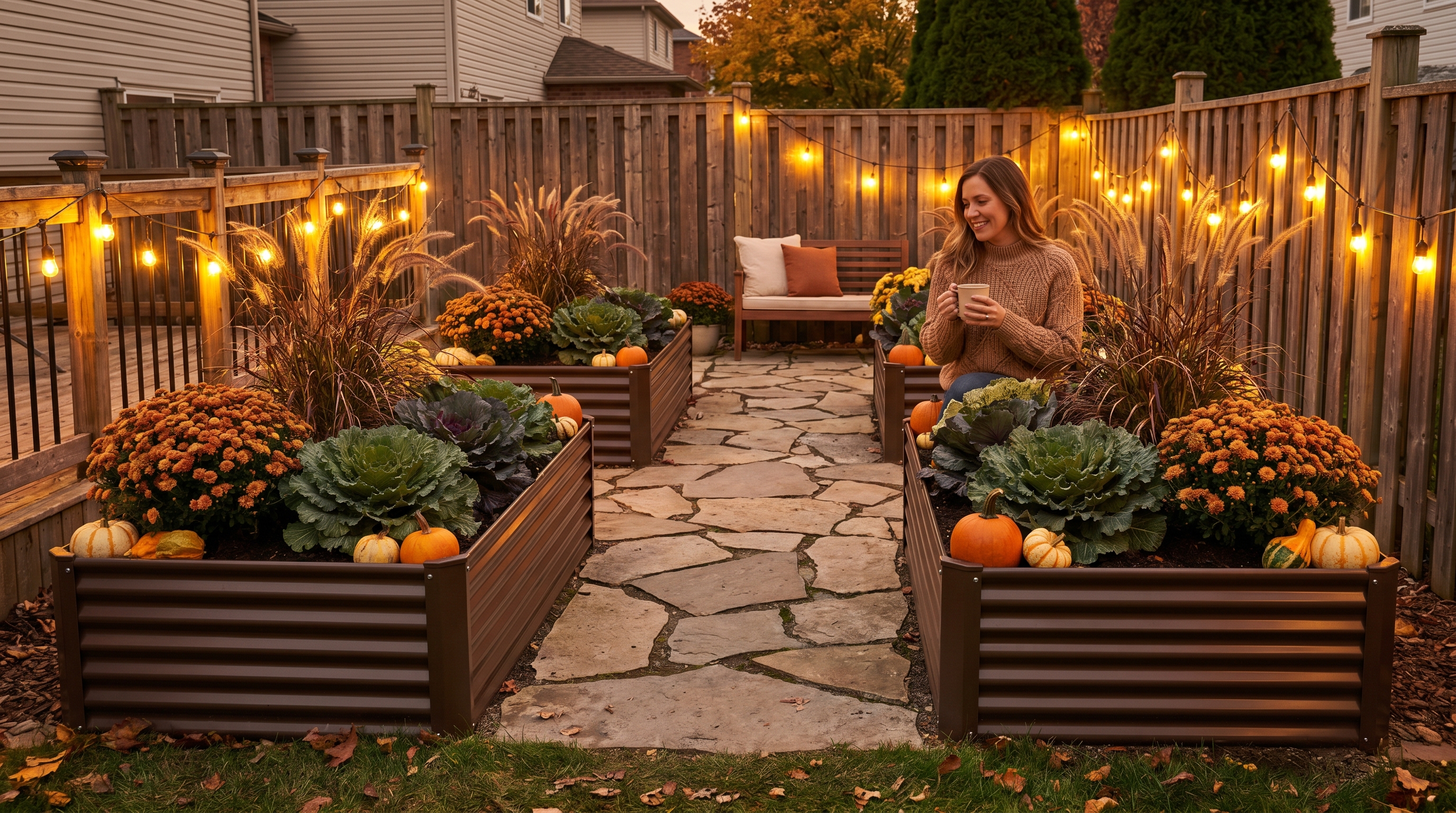
ALT: Galvanized steel raised bed garden with fall decorative accessories, stepping stone pathway, and warm lighting for year-round garden styling appeal
Advanced Considerations: Cohesion, Scale, and Common Styling Mistakes
Matching Accessory Scale to Bed Size
One of the most common—and easily avoided—styling mistakes is using accessories that are out of scale with the beds themselves. A large ornamental urn that’s beautiful in a formal landscape can look overwhelming next to a compact 4×2 raised bed, while delicate garden stakes disappear visually beside a 12×3 or 8×4 bed. As a general principle, accessories should be proportional: their tallest dimension should relate to the bed’s footprint and height in a visually balanced way.
Avoiding Material Overload
Visual cohesion breaks down when too many materials compete for attention. If your beds are galvanized steel, your pathway is stone, and you add wooden trellises, ceramic planters, painted metal stakes, terracotta pots, and plastic seasonal décor, the result is chaotic rather than curated. Limit yourself to two or three primary materials throughout the space and rotate in seasonal color through plants and soft goods (cushions, fabric plant bags) rather than introducing new structural materials each season.
The “Year-Round Skeleton” Principle
Professional garden designers often talk about designing for winter first—if the garden looks good when bare, it will look extraordinary when planted. Apply this principle to your raised bed layout: install your pathways, permanent edging, lighting, and trellises, then assess how the space reads before planting anything. If it looks skeletal and incomplete even structurally, add more permanent interest. If it looks balanced and intentional, you’ve built an excellent foundation.
Thinking About Raised Bed Height in Your Design
Bed height dramatically affects how you interact with a space visually and physically. Shorter beds (around 18 inches tall) feel integrated with the landscape, while taller beds (24 to 30 inches and above, including Anleolife’s waist-high options) create a more architectural, raised-platform effect. Taller beds also make styling easier for gardeners with mobility considerations—and they create a natural visual separation that makes each bed feel like a distinct design “room” within the garden.
Frequently Asked Questions FAQ
Q1: How do I choose decorative accessories that look good across all four seasons?
Focus on accessories that offer structural or textural interest independent of seasonal color—stone pathway elements, galvanized or copper metal accents, natural wood trellises, and quality lighting all look handsome year-round. Layer seasonal color through plants and temporary décor (wreaths, seasonal containers, ornamental produce displays) that can be swapped easily every few months. The key is that your permanent accessories form a cohesive “skeleton” that seasonal elements dress up, rather than carrying the full visual burden themselves.
Q2: Are galvanized steel raised beds a good long-term base for decorative garden styling?
Yes—galvanized steel beds are an excellent investment for any serious garden styling project. Their clean, architectural lines provide a neutral visual foundation that works with nearly every accessory style, from rustic farmhouse to modern minimalist. Anleolife’s galvanized steel raised beds are built for up to 20 years of service life, meaning your structural base remains attractive and consistent season after season. The durable finish also resists the weathering and discoloration that can make wooden beds look tired within just a few years.
Q3: How long does it take and what does it cost to fully style a raised bed garden with seasonal accessories?
The initial structural setup—pathways, edging, lighting, trellises—typically requires a weekend of work and represents the largest upfront investment. Seasonal updates (swapping plants, adding décor accents, refreshing containers) usually take just a few hours per season. Cost varies enormously based on bed size, material quality, and accessory choices, but many gardeners find they can build a cohesive, well-styled space incrementally over two to three seasons without requiring a single large expenditure.
Summary
Styling a raised bed garden for year-round appeal is genuinely achievable for any home gardener willing to approach it with a little intentionality. Three principles anchor everything:
First, invest in a durable structural foundation. The quality of your raised beds—their material, finish, and longevity—determines how your entire garden ages. Beds built for decades, not seasons, give you a consistent canvas year after year.
Second, layer accessories in order of permanence. Install pathway systems, edging, lighting, and trellises first. Let these structural elements establish the garden’s visual rhythm before adding seasonal accents.
Third, design for every season, not just summer. A garden that looks intentional in February—through thoughtful lighting, structural accessories, and winter-interest plants—will look extraordinary in August.
Whether you’re starting from scratch or refining an established space, the journey toward a beautifully styled raised bed garden is one of the most rewarding home projects you can undertake. Each season adds a new layer of richness, and each year the garden becomes more fully itself.
Ready to Build the Garden You’ve Always Imagined?
Nationwide U.S. warehouse network: Strategically located in California, Texas, Florida, New York, Illinois, and Washington to ensure delivery within 3–8 business days—so your garden upgrade plans never have to wait.
Multi-channel sales network: Products are available on major e-commerce platforms including Amazon, Walmart, Home Depot, Lowe’s, and Wayfair, as well as the official website Anleolife.com, providing consistent quality assurance and after-sales service.
Three core scenarios: Planting (metal raised garden beds, soil systems), Raising (chicken coops, rabbit hutches), and Beautification (decorative accessories, pathway systems), meeting complete needs from functionality to aesthetics.
Upgrade your garden with Anleolife. We understand that an ideal garden is not built overnight, but gradually improved over time. Our modular product design allows flexible expansion based on your needs—from your first raised garden bed to a fully integrated planting-and-raising ecosystem. We grow with you every step of the way.
References
- National Gardening Association. “Garden to Table: A Guide to Growing Food at Home”.
https://garden.org - University of Missouri Extension. “Raised Bed Gardening”.
https://extension.missouri.edu/publications/g6985 - Colorado State University Extension. “Year-Round Gardening: Season Extension and Design Principles”.
https://extension.colostate.edu/topic-areas/yard-garden/ - Royal Horticultural Society. “Garden Design: Creating Structure and Seasonal Interest”.
https://www.rhs.org.uk/garden-design - USDA Agricultural Research Service. “Home Gardening Resources and Best Practices”.
https://www.ars.usda.gov
Note: Standards and recommendations may be updated. Please check the latest official documents or consult professional advisors for current guidance.
About Anleolife
Anleolife is a leading outdoor garden solutions provider in North America, dedicated to offering a full-scenario product ecosystem for home gardening enthusiasts, covering planting, raising, and garden beautification. Since its founding, we have upheld our brand mission, “Made for Garden Life,” continuously innovating products and optimizing services to help hundreds of thousands of users upgrade their gardens, reconnect with nature, and enjoy a better garden lifestyle.
发表回复